
Brain Health, Boundaries, and the Cost of Always Being “On”
We don’t need to optimize our brains, we need to stop overloading them.
And a lot of that overload doesn’t come from lack of discipline or poor habits. It comes from too many pulls on our attention, messages, expectations, obligations, and the often quiet pressure to always be available, agreeable, and “on.”
Commitments we said yes to even though our body said no. Text messages or emails we feel we should respond to right away. Conversations we don’t have the energy for.
Over time, this constant reaching outward becomes exhausting, not just for the body, but for the brain. A mind that never gets a break from responding, deciding, managing, or accommodating doesn’t rest. It stays alert. It stays braced.
What we often call “brain fog” or “mental fatigue” is sometimes just a boundary issue. A brain that feels safe isn’t scanning for the next demand.
So much of modern life trains us to override our own limits. We’re rewarded for being responsive, flexible, helpful, and accommodating, even when it costs us clarity, presence, and connection to ourselves.
And the brain feels that cost.
I’ve been noticing lately how much information, communication, and expectation my mind is holding, not because I want to, but because I’ve learned to. And how easily that turns into feeling triggered, reactive, or overwhelmed, even when nothing is technically wrong.
A stressed brain is just doing it’s best. It’s responding intelligently to too much access.
This is where boundaries stop being a personal development concept and start becoming a form of caring for our brains and its longevity.
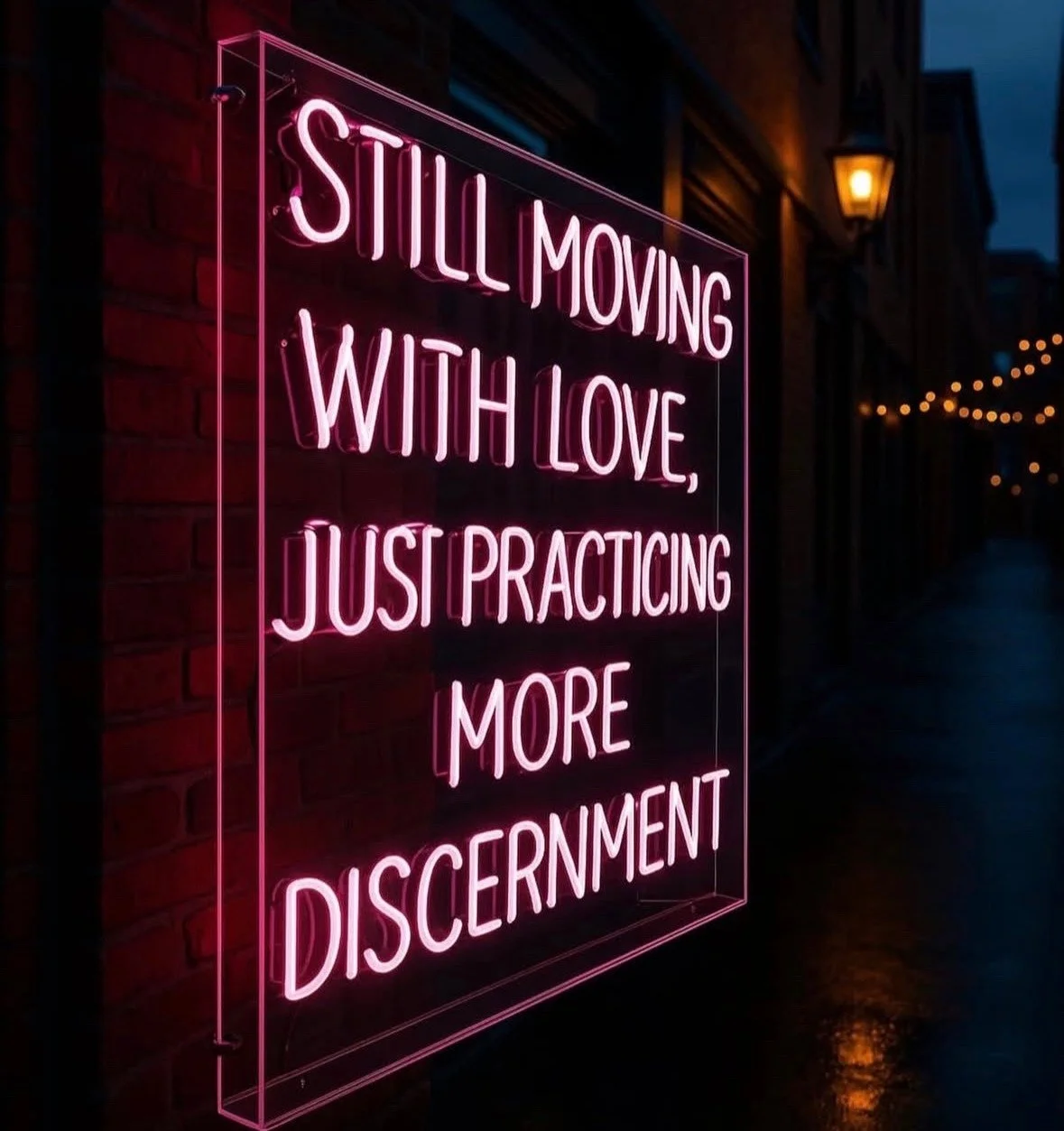
I acknowledge that my brain and body are over active. So I’ve been working on asking myself what I need to continually return to peace and safety. Things to think about:
Am I responding or saying yes because I want to or because I feel I should?
Am I consuming more than I can integrate?
Am I holding space for things that aren’t actually mine to carry?
Boundaries create space, and space is what the brain often needs in order to settle. When you say no to what drains you, you’re not being difficult or selfish. You’re telling your nervous system and your mind that they don’t have to stay on high alert.
Clarity doesn’t come from pushing harder. It comes from having fewer things pulling at you.
A supported brain doesn’t need to perform. It needs permission to rest.
If you’ve been feeling mentally tired, foggy, or overstimulated, it might not be because you need to try harder or do more. It might be because you’ve been available for too much, for too long.
What would change if brain health meant protecting your attention instead of optimizing it?
What would feeling good look like if you didn’t have to be “on” all the time?
Until next time, take what works, and leave the rest.
Namasté